

Audio Chronicle
Bubblegum’s Pitch-Editing Promise Starts With One Chord
Your Smile is Art’s free editor invites a careful look at note-level chord repair, with the untouched performance kept close at hand.
After Mental Health Day, Let the Session End
The music industry can carry the conversation past October 10 by agreeing when work ends and keeping personal disclosure voluntary.
Meta’s ByteDance Ad Ban Belongs on Your Release Checklist
Restrictions reported on October 9 reach third-party ads pointing to TikTok, giving musicians a practical reason to audit their paid campaign routes.
Tape-Treated Samples Need a Soundcheck
MusicRadar’s 485 free tape-treated samples offer a starting point for fitting worn textures around guitar, from the recording desk to rehearsal.


El Estepario’s New In-Ears Are More Than a Signature Color
One of the most-followed drummers online has teamed up with Soundbrenner on a signature pair of in-ear monitors. We look at the collaboration, the revised tuning, and what it offers musicians.
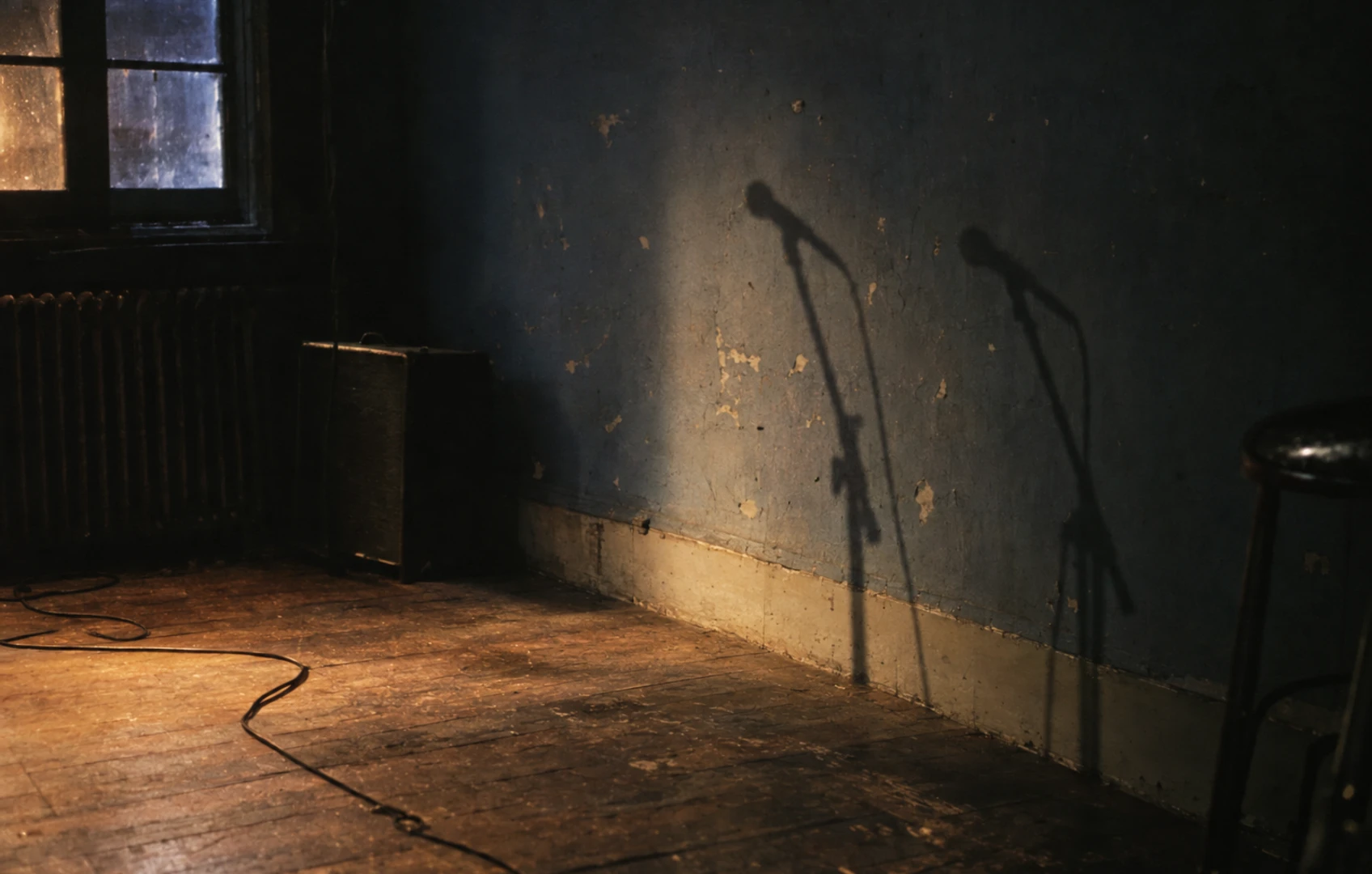
Two Good Mic Sounds Can Make a Bad Recording
For drums and piano, listening to microphones together reveals phase and balance problems while there’s still time to move the stands.
“You have a choice: to create, or not to create.”
— Henri Temianka
The Next Engineer Needs Your Bass Settings
ADAM Audio’s new subwoofer announcement makes a case for documenting the monitoring setup before the next engineer sits down.
Teenage Engineering and the Value of an Unfinished Loop
A reported move away from synths invites a closer look at musical play, useful limitations and what instrument makers owe their users.
Borrow Video-Game Logic for Your Next Track
Kaelin Ellis’s new MusicTech appearance offers a starting point for a smaller sound palette and arrangements built around changing intensity.
Sony’s AI Deepfake Tally Needs an Outcome Column
Sony says it has sought removal of more than 260,000 AI deepfake tracks, a tally that calls for clear reporting on what platforms resolve.
Let the Album Chart Mess With Your Queue
A reissue-led return and two top-10 debuts are an invitation to give the album chart a job beyond keeping score.
How Bogus Streams Dilute Your Royalty Share
As Michael Smith’s scheduled sentencing approaches, pro-rata royalty math explains how steady listening can still yield a smaller share of the pool.
Warner’s Culture Hire and the Value of an Honest No
Nici Ochmann’s move from Adidas to Warner Music Central Europe raises a practical question about how much taste survives a paid campaign brief.
In Clubland and the Trouble With Perfect Memories
A new book spanning 35 years of club culture prompts a reader’s guide to the famous cameos, local details and fragile evidence a scene leaves behind.
A Better Replay Routine for YouTube Music Lessons
The Benjamin controller report puts a familiar nuisance in focus: returning to the same phrase without disrupting your playing position.
Choose the Guide Before You Align the Vocals
VocAlign 7’s reported workflow changes put fresh attention on the guide track and the parts of a vocal stack worth leaving loose.
Kneecap, Tom Morello and the Job of a Rap-Rock Riff
Their “Unconquered” collaboration offers a cue for guitarists to work on vocal space, clean stops and parts that hold up in rehearsal.
Give the House Loop a Second Draft
A new Todd Edwards interview offers a prompt to rethink familiar grooves without treating musical influence as a fault.